
European Conference 36th European Mustelid Colloquium

Important dates of the 36th European Mustelid Colloquium
Join us in Poland for the 36th European Mustelid Colloquium
VWT is delighted to be working in partnership with the Mammal Research Institute Polish Academy of Sciences and Białowieża Ecology Conference to plan next year's European Mustelid Colloquium, which will be held in Poland.
Join our Mailing List to receive regular updates about the conference and key dates http://eepurl.com/ga-5z9

Partnerships
The Mammal Research Institute of the Polish Academy of Sciences (MRI PAS) is one of the most widely recognised scientific institutions in Poland specialising in the biology and ecology of mammals. Established in 1952 by Prof. August Dehnel, the Institute has played an important role in the development of theriology and has advanced wildlife conservation and the sustainable management of mammal populations.
MRI PAS has made significant contributions to knowledge in ecology, physiology, morphology, and evolution of mammals with its long tradition of research on carnivores, including mustelids. Particularly important studies concerned factors influencing population dynamics, interspecies interactions and competition, or adaptation to changing environmental conditions of native and invasive mustelid species. These achievements have established the Institute as an important scientific centre in this field.
Situated in the unique environment of the Białowieża Forest — one of the best-preserved temperate forests in Europe — the Institute provides a stimulating scientific environment and an exceptional natural setting, which serves as an invaluable resource for understanding the functioning of natural ecosystems.

The Mammal Research Institute is located in Białowieża, eastern Poland, 250km east of Warsaw, in the central part of the last natural European lowland forest – Białowieża Primeval Forest.
Białowieża village is nestled within the pristine wilderness of the Białowieża Forest, that contains the best-preserved fragment of European lowland temperate forest. Located in eastern Poland in the Podlaskie region, near the border with Belarus, this idyllic village, is renowned for its architecture, authenticity and rich biodiversity. The forest is a UNESCO natural heritage site and supports 59 mammal species, more than 250 bird species, 20 amphibian and reptile species and over 12,000 invertebrate species. The European bison is the iconic symbol of the forest, and Białowieża supports the last remaining wild population.
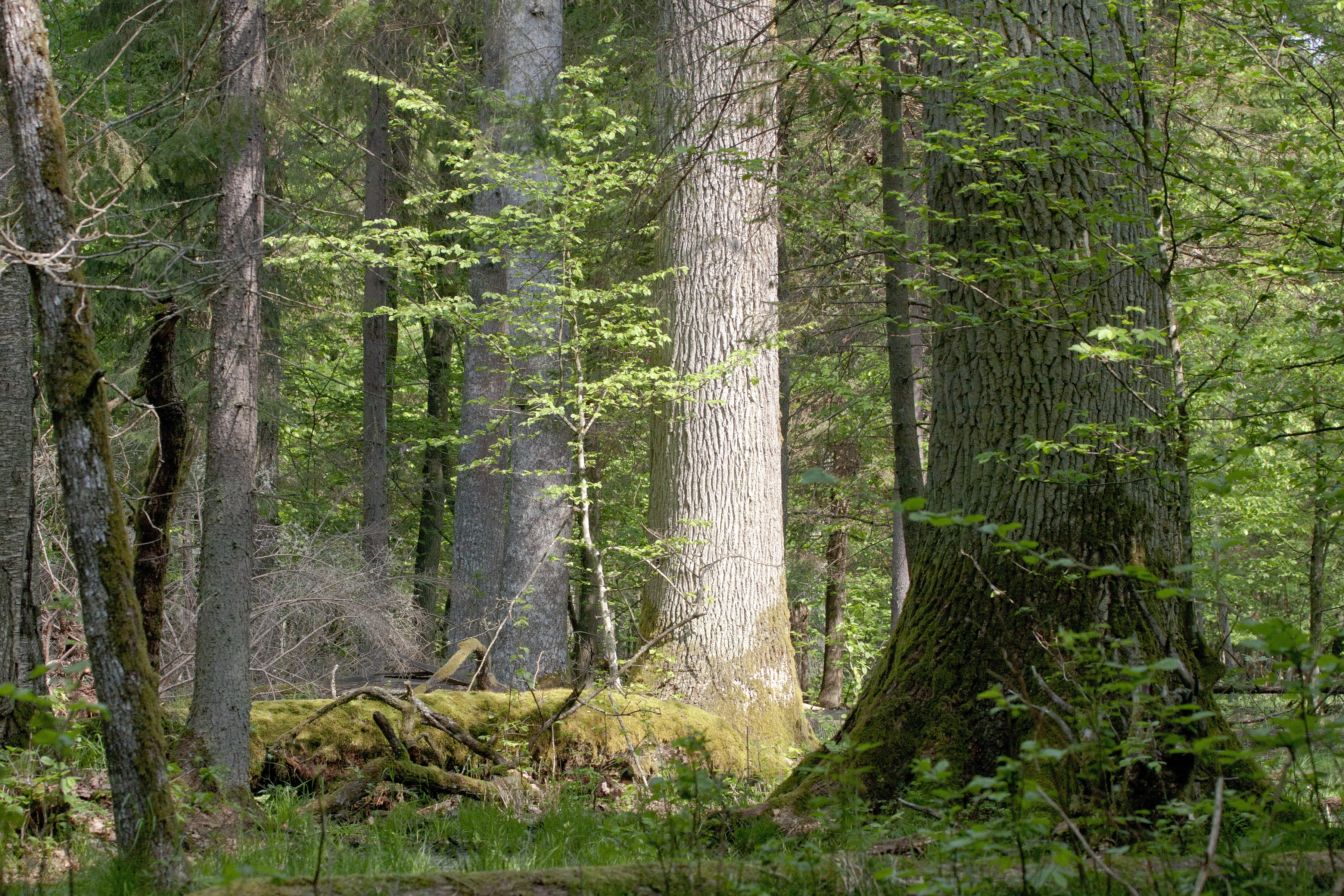
Photo: Białowieża Forest ©Karol Zub
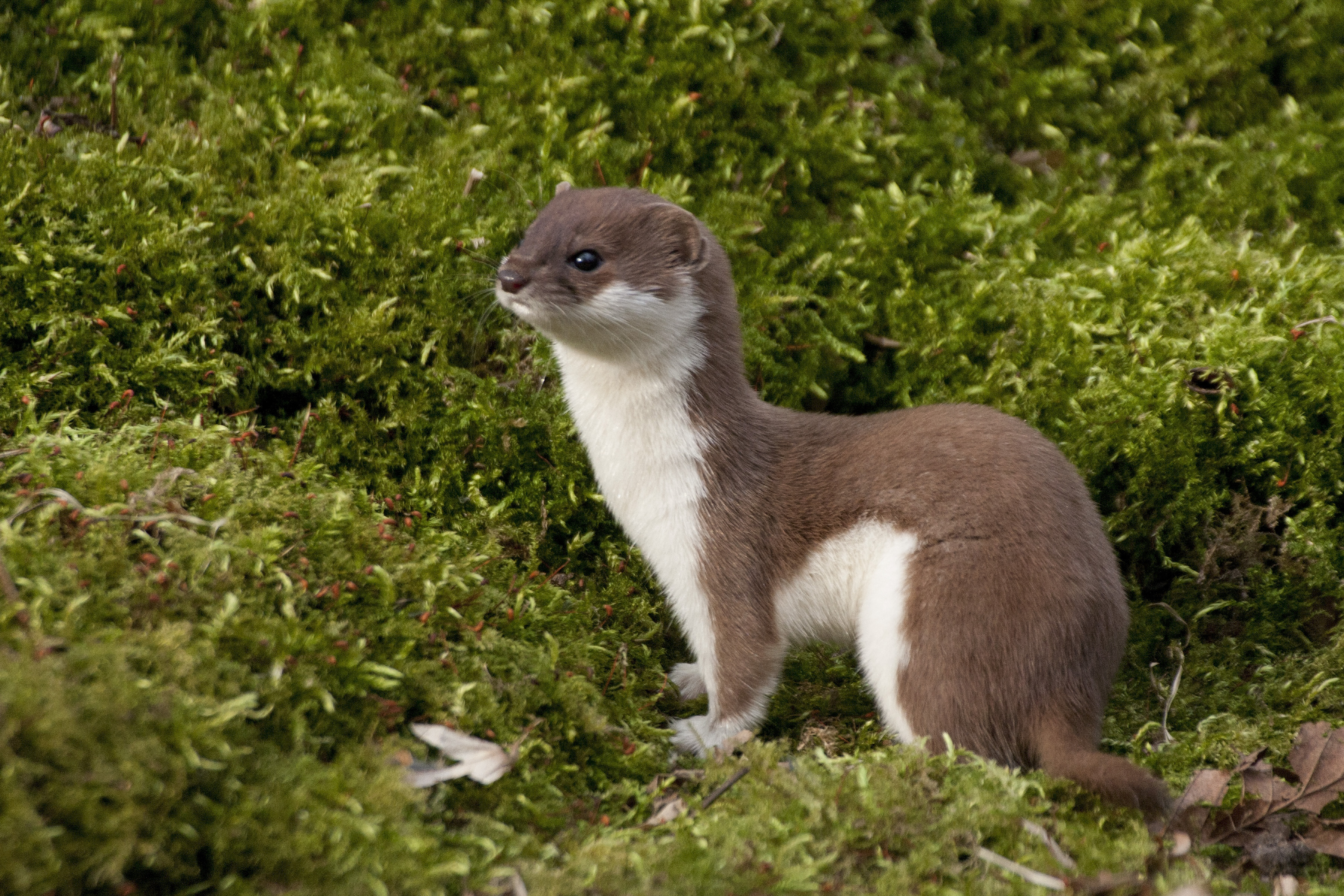
Photo: Weasel in Białowieża Forest ©Karol Zub
Along with its conference facilities, the Mammal Research Institute holds an extensive scientific collection of mammals containing nearly 190,000 specimens, including 1,150 bison skulls. These items are made available to scientific institutions in Poland and abroad for research-related purposes and are used in educational activities.
Mammal Research Institute website
Traveling to the Mammal Research Institute
Please watch this space for information about travel to the Mammal Research Institute.
Accommodation
Please watch this space for information about nearby accommodation.
Registration now only available for presenters and online tickets.
Due to limits on the venue capacity, registration is now only open to presenters. Online only tickets are still available.
To register for the 36EMC please visit: 36th European Mustelid Colloquium - Konferencje w białowieża, 06.10.2026 - Evenea.pl
Delegates wishing to attend the additional fieldtrip not included in their ticket, must purchase this through the Evenea platform.
We are delighted to be able to offer a guided visit to Białowieża National Park as part of the colloquium.
Białowieża National Park protects the best preserved fragment of Białowieża Forest – last natural forest at the European Lowland Area, having the primaeval character, identical with the one which covered the area of deciduous and coniferous forests years ago.
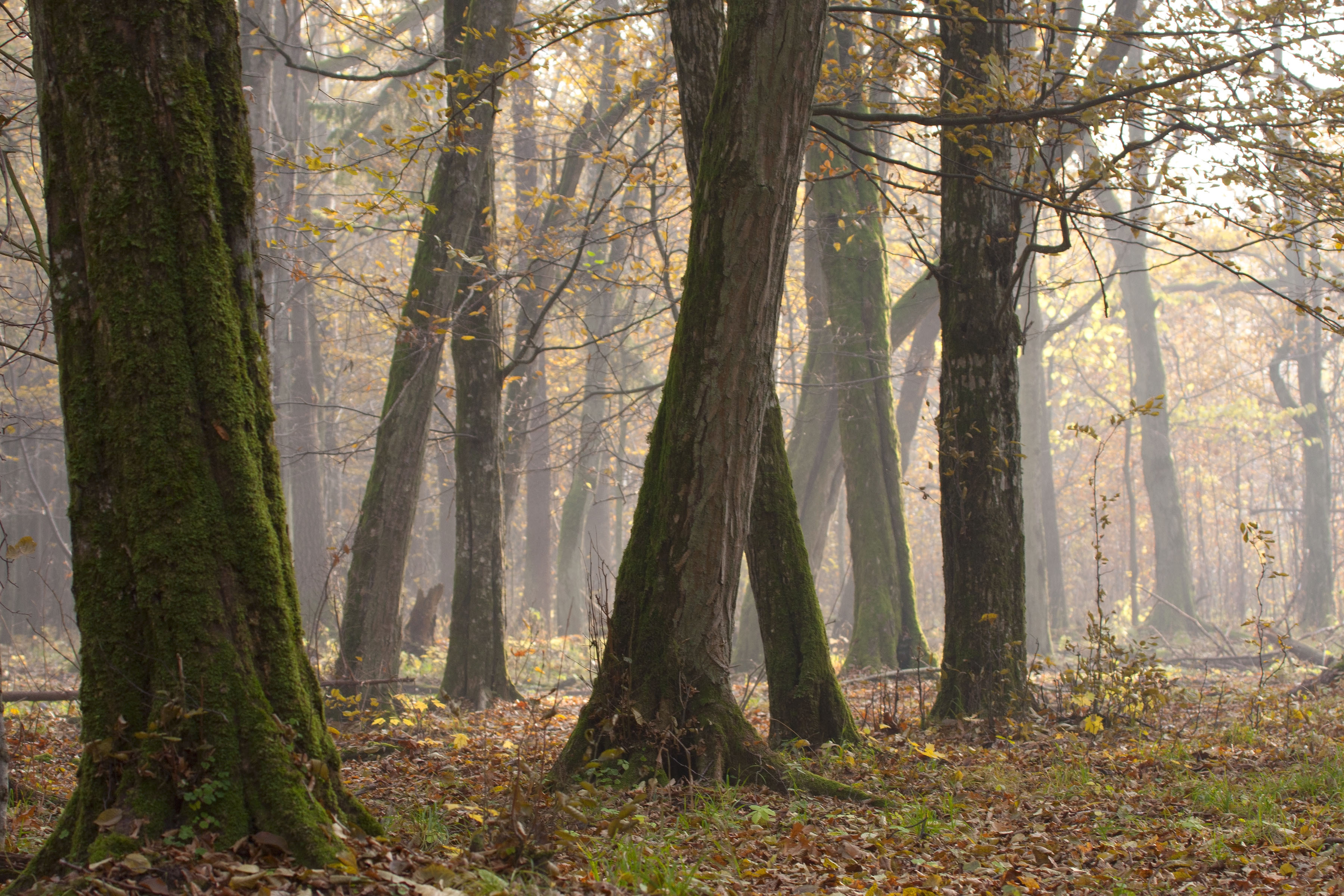
Photo: Białowieża Forest ©Karol Zub
The characteristic feature of the park is its biological diversity. The Park comprises, inter alia, 809 vascular plants species, over 3 thousand cryptogams and fungi species, almost 200 moss species and 283 lichen species. There have been more than 8,000 invertebrates species, approximately 120 species of breeding birds and 52 mammal species. Old, primaeval forest stands in Białowieża National Park are characterized by large amounts of deadwood at the various stage of disintegration, and by the presence of typical natural forest species.
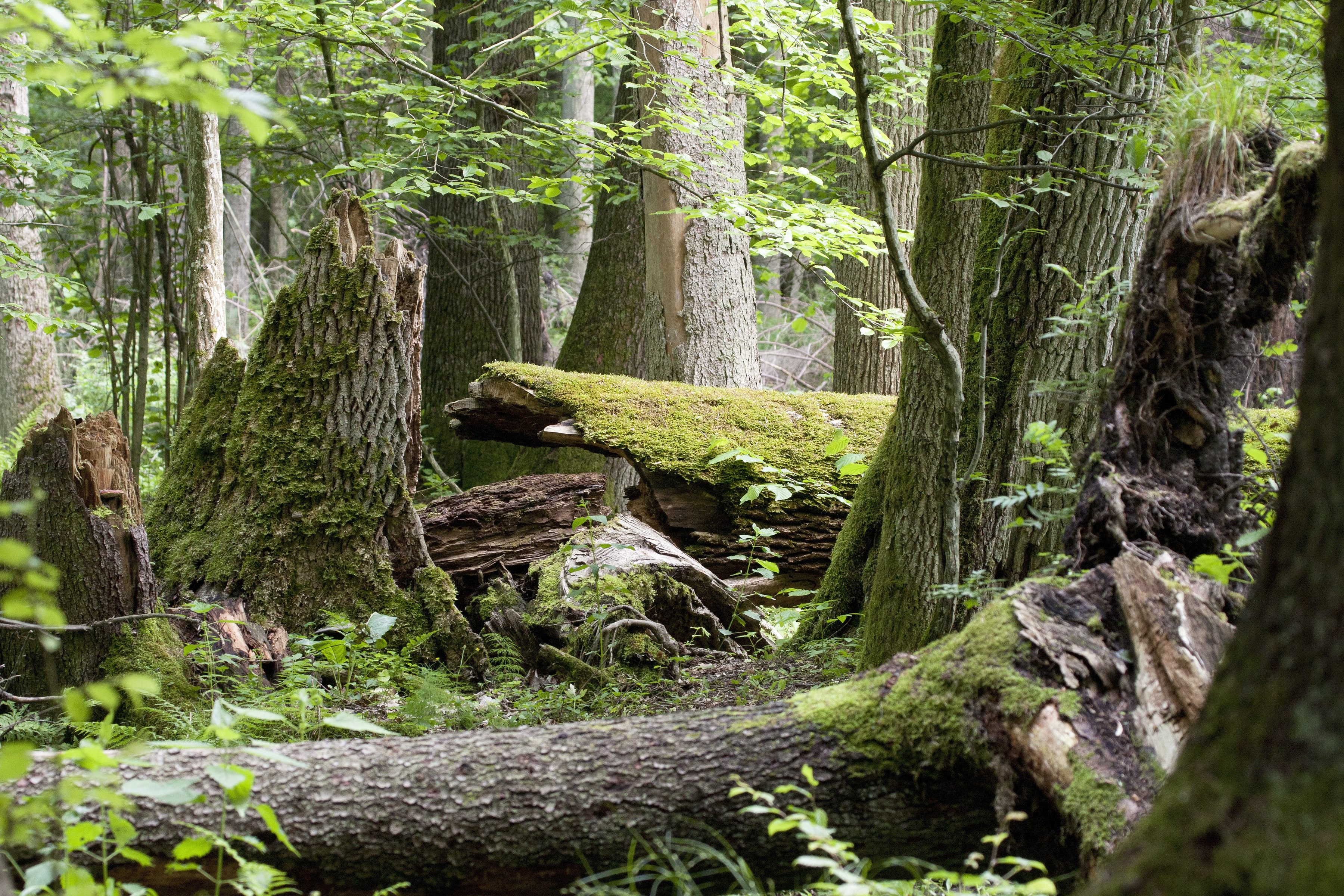
Photo: Białowieża Forest ©Karol Zub
Among the birds to be found in the park, one can identify, eg, Eurasian pygmy-owl, three-toed and white-backed woodpecker; the beetles – black fir sawyer, Osmoderma eremita, Pytho kolwensis; and the butterflies – Aglia Tau, moorland clouded yellow. In such an environment, the role of natural resources extends beyond biodiversity and into human health.
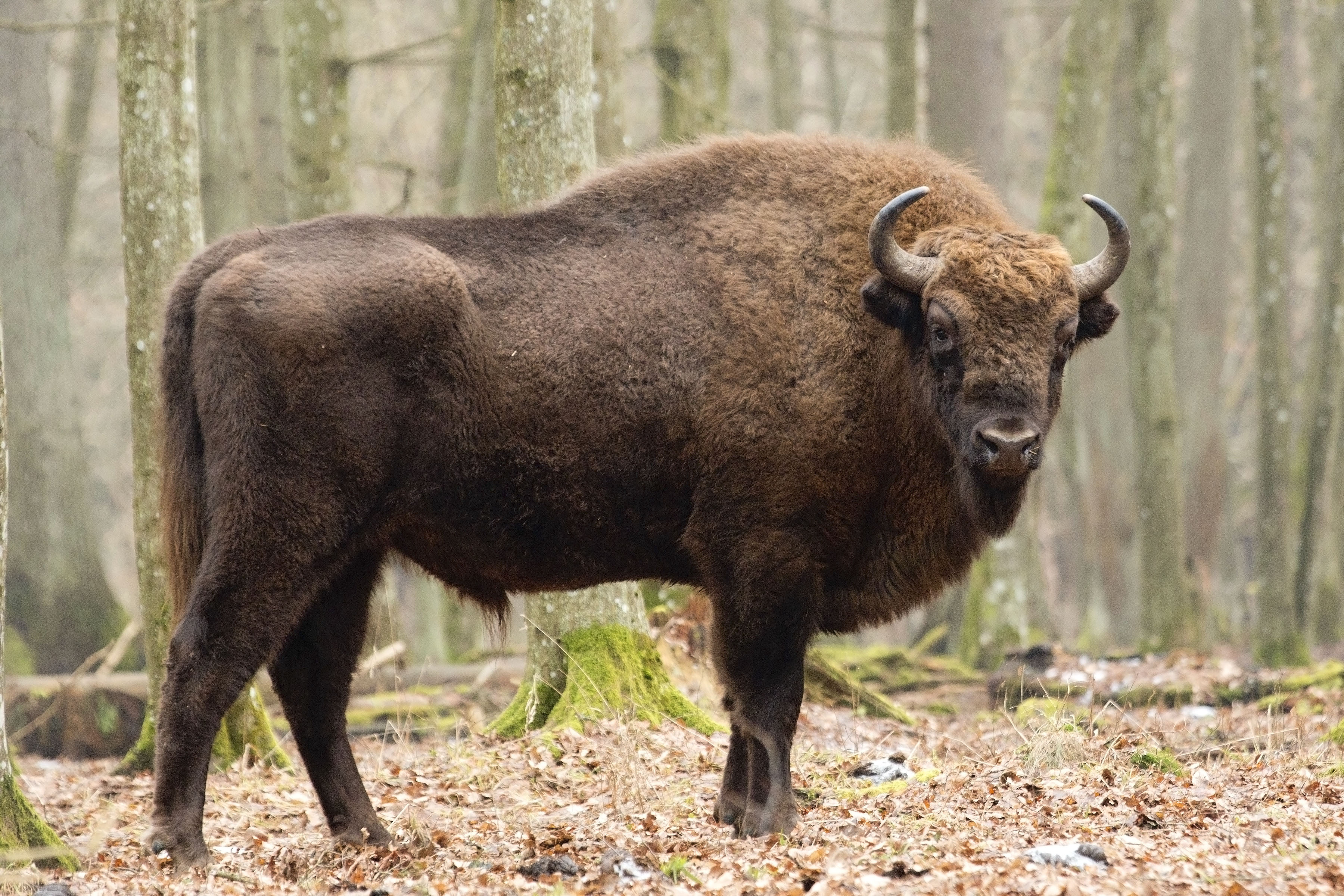
Photo: Bison in Białowieża Forest ©Karol Zub
Białowieża is a village nestled in the forest on the eastern border of Poland with various travel options — please consult the Travel Information document for guidance on getting to the conference and the Accommodation Information document for details of hotels and guesthouses.
There are various options for travel to and around Poland — details of these are in the Travel Information document.
Although small and idyllic, the village is a tourist destination with a wide range of accommodation available. There is a discount for conference attendees available at one hotel — details of this are in the Accommodation Information document.
Abstract submissions are now closed.
All submissions will be reviewed by the EMC Science Committee.
Applicants will be notified of the outcome in July 2026 (exact date TBC).
Download the Book of Abstracts from the 35th European Mustelid Colloquium held in Romania in 2024.
We are delighted to announce that the following keynote speakers will be joining us in Białowieża.
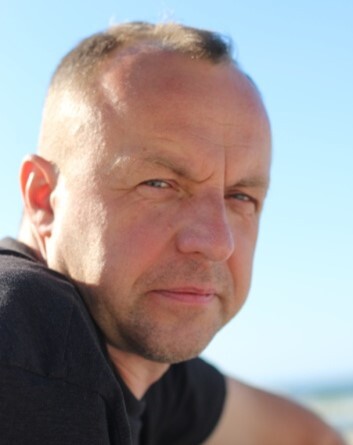
Dr Karol Zub is an Associate Professor at the Mammal Research Institute of the Polish Academy of Sciences and a world-leading expert in weasel ecology. His research bridges fundamental ecological theory with applied wildlife management and conservation.
His main research interests include the ecology, physiology, genetics and population dynamics of small mustelids and their prey species, with particular emphasis on: energy expenditure; effect of body mass and metabolic rates variation on winter survival; quantitative genetics (heritability of body mass and metabolic rates); genetic structures of small mammal populations; and population dynamics of weasels and voles. His current work also focuses on the eradication of stoats from the Orkney Islands.
Karol is the author or co-author of more than 70 scientific papers, book chapters and technical reports and he is Editor-in-Chief of the international journal, Mammal Research.

Dr. Jenny MacPherson is the Principal Scientist at Vincent Wildlife Trust. Prior to joining VWT, she was based at Royal Holloway University of London for ten years, carrying out research on the ecology and behaviour of a range of mammal species including pine marten, dormouse, red squirrel, hedgehog, water vole and mink. She joined Vincent Wildlife Trust at the beginning of 2011 and led VWT's Pine Marten Recovery Project from 2014, having been involved with species reintroduction programmes in Britain and elsewhere since 1997.
Jenny also holds a number of honorary positions including Visiting Fellow University of Exeter, Member of DEFRA Reintroductions Task Force, Associate Editor Ecological Solutions and Evidence, Director of the International Martes Working Group,and member of IUCN Small Carnivore Specialist Group.
She has co-written more than 50 papers, reports and book chapters and is the author of the book Stoats, Weasels, Martens and Polecats published in 2024 by Harper Collins in the New Naturalist series.
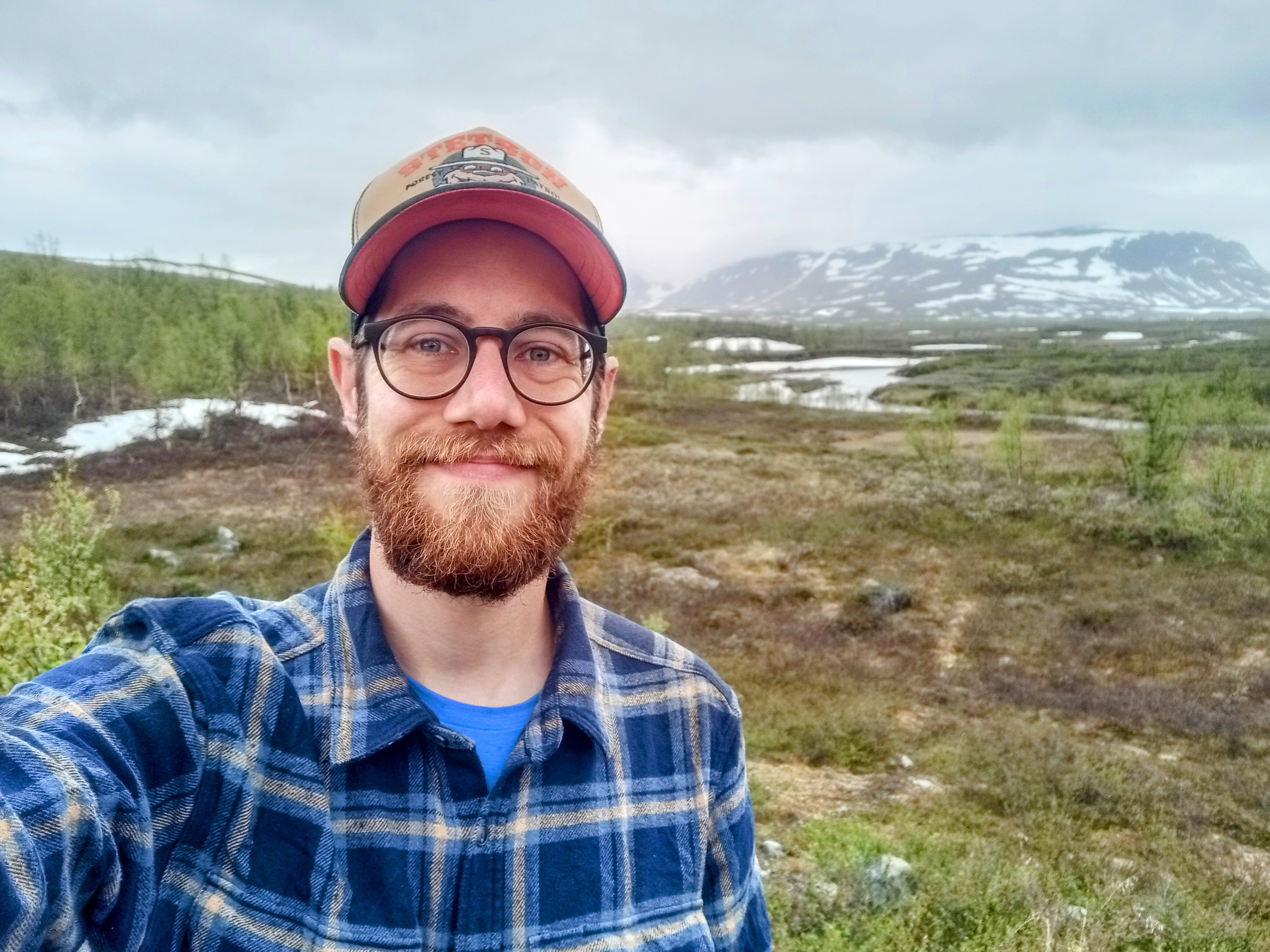
Dr. Tim Hofmeester is an Associate Professor and Researcher at the Department of Wildlife, Fish and Environmental Studies at the Swedish University of Agricultural Sciences in Umeå, Sweden, as well as a board member of the Small Mustelid Foundation. His research focuses on the use of conservation technology and citizen science to foster human-wildlife coexistence, with a particular focus on small mustelid conservation.
He is particularly interested in how environmental change affects species occurrence and density, and in how we can use participatory methods and technological solutions to study small wildlife species. Since he was a student, he worked on a range of mustelid species, with a particular focus on the smaller ones: pine marten, polecat, stoat, and weasel. Two particular focus areas have been the development of various camera-trapping methods to study and monitor small mustelids and the use of observational data and habitat suitability modelling to examine how small mustelid distributions respond to environmental change. He also dabbled in population genetics and parasitology.
As part of his research, Tim also puts a lot of emphasis on communicating about small mustelids to stakeholders and the general public.